



Welcome to PaisaDrive, where we break down important national issues in a simple and easy-to-understand way. Today, we are discussing the Sonam Wangchuk Hunger Strike, a movement that attracted attention from people across India and beyond. While many know Sonam Wangchuk as an education reformer, innovator, and environmental activist, his hunger strike transformed him into the face of a larger movement focused on Ladakh’s future, environmental protection, and democratic representation.
The Sonam Wangchuk Hunger Strike became a widely discussed topic because it was not just about one individual. It represented concerns about ecology, governance, local identity, and sustainable development in one of India’s most sensitive and beautiful regions. This article explains the Sonam Wangchuk hunger strike reason, the demands behind the movement, why it gained national attention, and the latest developments related to the protest.
Who Is Sonam Wangchuk?
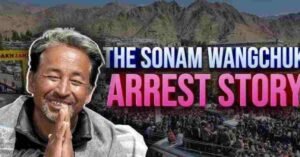
Before understanding the Sonam Wangchuk Hunger Strike, it is important to know who Sonam Wangchuk is. He is a renowned engineer, innovator, educator, and environmentalist from Ladakh. He became famous for his work in educational reforms and sustainable technologies designed for cold desert regions. His innovative projects, including artificial glaciers and environmentally friendly solutions, have earned international recognition.
Over the years, Wangchuk has become a strong advocate for preserving Ladakh’s fragile ecosystem and ensuring that development in the region remains sustainable. His activism eventually led him to launch a hunger strike to draw attention to issues affecting Ladakh and its people.
Sonam Wangchuk Hunger Strike Reason
The primary Sonam Wangchuk Hunger Strike reason was to raise awareness about the concerns of the people of Ladakh regarding environmental protection, constitutional safeguards, and political representation.
According to Wangchuk and several local organizations, Ladakh’s unique geographical and ecological conditions require special protections. The region is highly sensitive to climate change, rapid development, and ecological disturbances. Activists argued that without stronger legal safeguards, Ladakh’s environment, culture, and resources could face long-term challenges.
The hunger strike was designed as a peaceful democratic method to bring national attention to these concerns. Wangchuk emphasized that his protest was intended to encourage dialogue and policy action rather than confrontation.
Why Did Sonam Wangchuk Start the Hunger Strike?
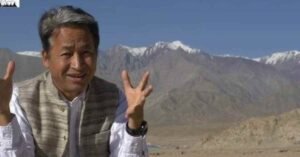
Many people searched online for Sonam Wangchuk hunger strike why because they wanted to understand the deeper purpose behind the movement.
The protest was launched to highlight demands related to constitutional protection, environmental conservation, and greater participation of local communities in decision-making processes. Wangchuk repeatedly stressed that Ladakh’s future should be shaped in a way that balances development with environmental sustainability.
He also expressed concerns about preserving local traditions, culture, and livelihoods while ensuring that economic growth does not damage the region’s delicate ecosystem.
Sonam Wangchuk Hunger Strike Demands
The Sonam Wangchuk Hunger Strike demands became the central focus of the movement. Several key issues were highlighted during the protest:
- Stronger constitutional safeguards for Ladakh.
- Protection of Ladakh’s fragile environment and natural resources.
- Sustainable development policies suited to the region’s unique conditions.
- Greater representation and participation of local communities.
- Measures to protect traditional culture and identity.
- Balanced infrastructure development without ecological damage.
Supporters of the movement argued that these demands were essential for preserving Ladakh’s long-term future. The protest encouraged broader discussions about environmental responsibility and regional governance.
Sonam Wangchuk Hunger Strike Day and Public Support
As the Sonam Wangchuk Hunger Strike day count increased, public attention grew significantly. Supporters from different parts of India expressed solidarity through social media campaigns, public discussions, and awareness programs.
The increasing duration of the hunger strike became a symbol of commitment and determination. Citizens, environmental groups, students, and activists followed updates closely and shared concerns about the issues being raised.
The movement demonstrated how peaceful democratic protests can generate nationwide conversations on environmental protection and regional development.
Sonam Wangchuk Hunger Strike News and National Attention
The Sonam Wangchuk Hunger Strike news gained widespread coverage across newspapers, television channels, and digital platforms. National media outlets covered the protest extensively because it involved important issues such as climate change, sustainable development, and constitutional rights.
The movement also resonated with young people who were increasingly concerned about environmental challenges. Many observers viewed the hunger strike as part of a broader conversation about balancing economic growth with ecological preservation.
The extensive media coverage helped bring Ladakh’s concerns into mainstream public discourse and encouraged discussions among policymakers, experts, and citizens.
The Environmental Significance of the Hunger Strike

One of the most important aspects of the Sonam Wangchuk Hunger Strike was its environmental message. Ladakh is known for its breathtaking landscapes, glaciers, mountains, and unique biodiversity. However, climate change and increasing developmental pressures have raised concerns about the region’s sustainability.
Wangchuk argued that environmental protection should be treated as a national priority. He highlighted the need for responsible tourism, sustainable infrastructure, and policies that protect water resources and fragile ecosystems.
The hunger strike encouraged people across India to think about how development projects can be implemented without causing irreversible environmental damage.
Impact of the Sonam Wangchuk Hunger Strike
The Sonam Wangchuk Hunger Strike had a significant impact on public awareness. Even people who previously knew little about Ladakh’s governance and environmental concerns became interested in learning more about the region.
The protest sparked debates on constitutional safeguards, ecological protection, climate resilience, and local participation in governance. It also demonstrated how a peaceful movement can bring attention to issues that might otherwise remain overlooked.
Whether one agreed with every aspect of the movement or not, the hunger strike successfully generated meaningful conversations about Ladakh’s future and India’s environmental responsibilities.
Why the Hunger Strike Became a National Topic

There are several reasons why the Sonam Wangchuk Hunger Strike became a national topic:
- Sonam Wangchuk’s credibility as an educator and innovator.
- The importance of Ladakh’s ecological and strategic significance.
- Growing public concern about climate change.
- The peaceful and non-violent nature of the protest.
- Extensive media and social media coverage.
- The relevance of constitutional and governance issues.
These factors combined to make the movement one of the most widely discussed public campaigns related to environmental and regional concerns in recent years.
Conclusion
The Sonam Wangchuk Hunger Strike was much more than a personal protest. It became a platform for raising important questions about environmental sustainability, constitutional safeguards, democratic participation, and the future of Ladakh.
The Sonam Wangchuk Hunger Strike reason centered on protecting Ladakh’s interests while promoting sustainable development. The Sonam Wangchuk Hunger Strike demands focused on environmental protection, stronger safeguards, and greater local representation. Through peaceful activism, the movement succeeded in drawing nationwide attention and encouraging meaningful conversations.
As discussions about climate change, sustainable development, and regional governance continue to evolve, the Sonam Wangchuk Hunger Strike will remain an important example of how non-violent civic engagement can influence public awareness and policy debates.
Also Read:
ISRO: Full Form, Headquarters, Chairman, Chandrayaan-3 and Complete History