


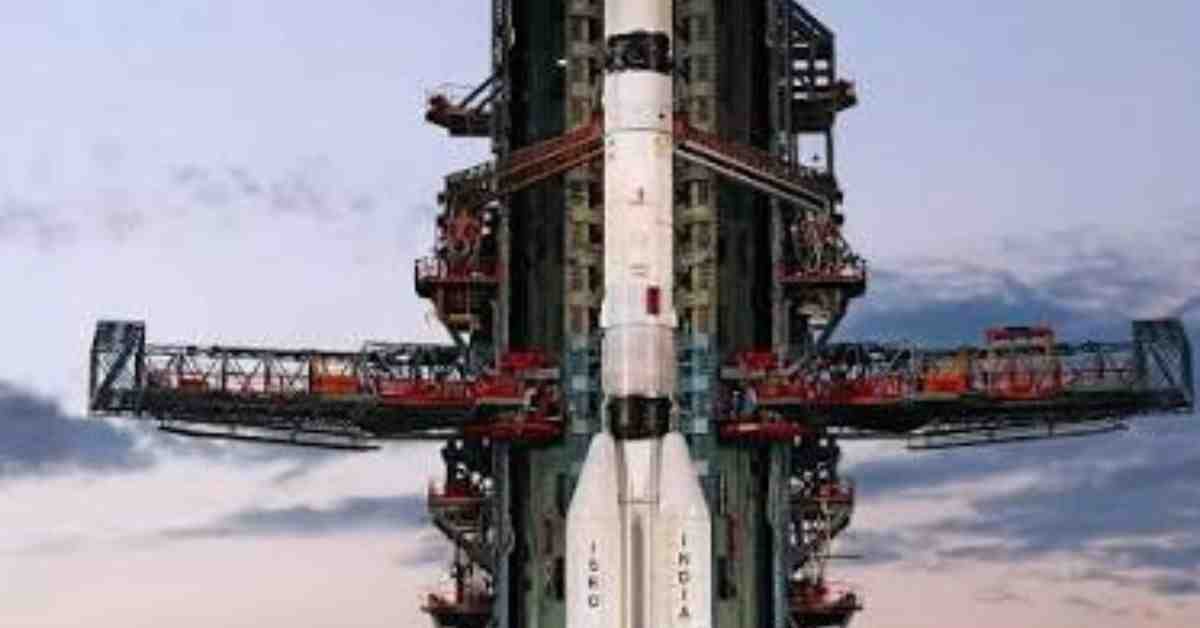
Welcome to PaisaDrive! If you are curious about India’s achievements in space technology and want to know everything about ISRO, you are in the right place. In this article, we will explore the history, achievements, headquarters, chairman, missions, Chandrayaan-3 success, and many other important details related to ISRO. Whether you are a student, technology enthusiast, or simply interested in space exploration, this guide will help you understand why ISRO has become one of the most respected space agencies in the world.
The primary keyword of this article is ISRO, and throughout this article, we will discover how ISRO transformed India’s space ambitions into global achievements.
What is ISRO?

ISRO stands for Indian Space Research Organisation. It is India’s national space agency responsible for developing space technology, launching satellites, conducting scientific research, and carrying out space exploration missions.
Over the decades, ISRO has gained international recognition for achieving remarkable results with cost-effective technologies. From launching communication satellites to exploring the Moon and Mars, ISRO has consistently demonstrated innovation and engineering excellence.
ISRO Full Form
The full form of ISRO is Indian Space Research Organisation. The organization plays a vital role in advancing India’s capabilities in satellite communication, navigation, weather forecasting, disaster management, and scientific exploration.
When Was ISRO Established?
ISRO was established on August 15, 1969. The organization was created to harness space technology for national development while pursuing scientific research in space exploration.
The vision behind ISRO was inspired by renowned scientist Dr. Vikram Sarabhai, who is often referred to as the father of the Indian space program. His leadership laid the foundation for India’s future success in space science.
ISRO Headquarters
The ISRO headquarters is located in Bengaluru, Karnataka, India. From this central office, major strategic decisions, mission planning, and organizational management activities are coordinated.
The headquarters serves as the administrative center of ISRO and oversees numerous research centers, launch facilities, and technical institutions spread across India.
ISRO Location and Major Centers
Although the headquarters is situated in Bengaluru, ISRO operates through several important centers located throughout the country. Some of the major facilities include:
- Vikram Sarabhai Space Centre (VSSC) – Thiruvananthapuram
- Satish Dhawan Space Centre (SDSC) – Sriharikota
- U R Rao Satellite Centre (URSC) – Bengaluru
- Liquid Propulsion Systems Centre (LPSC)
- Space Applications Centre (SAC) – Ahmedabad
These facilities contribute to different aspects of space missions, including rocket development, satellite manufacturing, propulsion systems, and scientific research.
ISRO Chairman
The ISRO Chairman is one of the most important leaders in India’s scientific community. The chairman oversees mission planning, organizational strategy, technological innovation, and international collaborations.
Throughout its history, ISRO has been led by several distinguished scientists who contributed significantly to India’s space achievements. Their leadership has helped ISRO become a globally respected organization known for reliability and innovation.
ISRO Logo and Its Meaning
The ISRO logo is one of the most recognizable scientific symbols in India. The logo features an upward-pointing orange-colored arrow representing progress, advancement, and technological growth.
The design reflects the organization’s mission of reaching new heights in space exploration and scientific discovery. It symbolizes ambition, innovation, and India’s journey toward becoming a leading space power.
ISRO Live Missions and Launches

One of the most exciting aspects of ISRO is its live mission coverage. Space enthusiasts often search for ISRO Live to watch rocket launches, satellite deployments, and important mission events.
Live coverage allows people to experience historic moments as they happen. These broadcasts showcase India’s technological capabilities and inspire future generations to pursue careers in science and engineering.
ISRO Official Website
The official government portal of ISRO is commonly searched as isro gov in. Through the official website, visitors can access mission updates, scientific reports, launch schedules, educational resources, and organizational announcements.
The website serves as a reliable source of information for students, researchers, educators, and citizens interested in India’s space program.
ISRO Registration Opportunities
Many students and professionals search for ISRO registration opportunities. ISRO regularly offers internships, educational programs, online courses, workshops, recruitment drives, and research opportunities.
These programs provide valuable exposure to advanced technologies and help develop future scientists and engineers who may contribute to India’s growing space ecosystem.
Chandrayaan-3: A Historic Achievement
Chandrayaan-3 stands as one of the greatest achievements in the history of ISRO. The mission successfully demonstrated India’s capability to perform a soft landing on the Moon.
The success of Chandrayaan-3 attracted worldwide attention and established India among the select group of nations capable of executing advanced lunar missions. The mission showcased the technical expertise, determination, and innovation that define ISRO.
Beyond scientific exploration, Chandrayaan-3 inspired millions of young students and strengthened India’s position in global space research.
How ISRO Benefits Everyday Life
Many people associate ISRO only with rockets and space missions, but its impact extends far beyond space exploration.
ISRO-developed satellites support:
- Weather forecasting
- Disaster management
- Agriculture monitoring
- Telecommunication services
- Navigation systems
- Environmental observation
- Remote sensing applications
These technologies improve daily life for millions of people and contribute significantly to national development.
NASA Full Form and ISRO Comparison
The NASA full form is National Aeronautics and Space Administration. NASA is the space agency of the United States.
While NASA and ISRO differ in scale and budget, both organizations share a commitment to scientific discovery and technological advancement. ISRO is particularly admired worldwide for achieving impressive results with highly efficient and cost-effective mission planning.
Future of ISRO
The future of ISRO looks incredibly promising. Upcoming missions focus on advanced lunar exploration, planetary research, human spaceflight programs, satellite innovation, and deep-space science.
As technology continues to evolve, ISRO is expected to play an even greater role in international space exploration and scientific collaboration.
Conclusion
ISRO has become a symbol of innovation, determination, and national pride. From its establishment in 1969 to landmark achievements like Chandrayaan-3, ISRO has consistently pushed the boundaries of scientific exploration.
With its headquarters in Bengaluru, a strong leadership structure, world-class research centers, and ambitious future missions, ISRO continues to inspire millions across India and around the world. As the organization enters a new era of exploration, its journey serves as proof that vision, dedication, and scientific excellence can achieve extraordinary results.
For anyone interested in technology, science, and the future of humanity in space, ISRO remains one of the most fascinating organizations to follow.
Read More:
HDFC Bank News Today: Share Price Buzz, RBI Updates, Chairman Strategy And Latest Employee News
India Diesel Price Increase: Petrol Diesel Price Hike Today Shocks Consumers Across India