

Welcome to PaisaDrive. If you closely follow automobile updates and future mobility trends, then this is one topic you should not ignore. India’s transport system is rapidly changing, and one major reason behind this transformation is the latest Nitin Gadkari Flex Fuel Announcement. From reducing petrol dependency to making driving more affordable, the government is now strongly promoting flex fuel technology in India.
In recent months, Union Minister Nitin Gadkari has repeatedly talked about flex fuel vehicles, ethanol-powered engines, and the future of alternative fuel cars. According to him, flex fuel technology can completely change how Indians drive in the coming years. Car buyers, bike lovers, fuel companies, and even farmers are now paying attention to this new revolution.
What Is Flex Fuel Technology?
Before understanding the impact of the Nitin Gadkari Flex Fuel Announcement, it is important to know what flex fuel actually means. A flex fuel vehicle is a car or bike that can run on more than one type of fuel. These engines are specially designed to work with petrol mixed with ethanol.
For example, a flex fuel car may run on E20, E85, or even E100 fuel blends. Here “E” represents ethanol percentage in the fuel. Ethanol is mainly produced from sugarcane, corn, and agricultural waste. Since India produces large amounts of sugarcane, the government believes ethanol can become a major alternative to expensive imported crude oil.
Nitin Gadkari On Flex Engine Technology
Union Minister Nitin Gadkari has openly said that India should move away from traditional petrol and diesel dependency. During several public events and auto industry conferences, he highlighted how flex engines can reduce pollution and fuel expenses at the same time.
The latest Nitin Gadkari Flex Fuel Announcement focused on encouraging automobile manufacturers to launch more flex fuel vehicles in India. According to Gadkari, flex engines are already successful in countries like Brazil, where many cars run entirely on ethanol-based fuel.
He also stated that India has enough agricultural resources to support large-scale ethanol production. This can benefit farmers because agricultural products and waste materials can be used for creating biofuel.
Nitin Gadkari Flex Fuel Car Plans For India

One of the most exciting parts of the Nitin Gadkari Flex Fuel Announcement is the government’s plan to introduce affordable flex fuel cars for common people. Gadkari believes Indian consumers should have multiple fuel choices instead of depending only on petrol or diesel.
Several automobile companies are already working on flex fuel vehicles for the Indian market. Some brands have started testing flex fuel engines, while others are expected to launch new models in the next few years.
According to reports shared during industry discussions, upcoming flex fuel vehicles may offer:
- Lower running costs
- Reduced carbon emissions
- Better fuel flexibility
- Less dependency on imported oil
- Support for India’s green mobility mission
This makes the Nitin Gadkari Flex Fuel Announcement important not just for car buyers, but also for India’s long-term economy.
Why Flex Fuel Matters For India
India spends billions of dollars every year importing crude oil from other countries. Rising petrol and diesel prices affect almost every Indian family. The government now wants to reduce this burden through alternative fuel options.
The Nitin Gadkari Flex Fuel Announcement is seen as a major step toward energy independence. Ethanol can be produced locally inside India, which means the country can save foreign exchange and strengthen its agricultural economy.
Flex fuel technology may also help reduce air pollution in major cities. Traditional fossil fuels release harmful emissions, while ethanol blends are considered comparatively cleaner.
How Flex Fuel Cars Can Help Common People
One major reason why the Nitin Gadkari Flex Fuel Announcement became popular online is because people are hoping for cheaper fuel expenses. If ethanol prices remain lower than petrol prices, drivers may save money in the long run.
Imagine filling your car with a fuel that costs less and also helps the environment. That is exactly the future Gadkari is trying to promote.
For middle-class families, transport costs have become a big monthly expense. Flex fuel vehicles could provide some relief if fuel pricing policies remain favorable.
Challenges In Flex Fuel Adoption
Although the Nitin Gadkari Flex Fuel Announcement sounds promising, India still faces several challenges before flex fuel becomes mainstream.
Some of the biggest challenges include:
- Building ethanol fuel infrastructure
- Increasing ethanol production capacity
- Developing compatible engines
- Expanding fuel station availability
- Educating consumers about flex fuel technology
Currently, most Indian fuel stations are still focused on petrol, diesel, and CNG. Large-scale adoption of flex fuel will require investments from both the government and private companies.
Flex Fuel Gadkari Vision For Green India

The overall vision behind the Nitin Gadkari Flex Fuel Announcement is connected to India’s green mobility future. Gadkari has consistently promoted electric vehicles, hydrogen fuel, biofuels, and ethanol-powered transport solutions.
Instead of depending on only one technology, the government appears to be supporting multiple fuel alternatives at the same time. This multi-fuel strategy may help India transition more smoothly toward sustainable transportation.
According to experts, flex fuel can work as a bridge technology between traditional petrol engines and fully electric vehicles.
Nitin Gadkari New Fuel Car Discussions
Another interesting topic gaining attention after the Nitin Gadkari Flex Fuel Announcement is the development of new fuel cars using alternative technologies. Gadkari has frequently discussed vehicles powered by:
- Green hydrogen
- Bio-CNG
- Ethanol blends
- Methanol fuel
- Electric batteries
This shows that India is exploring several energy options instead of relying only on EVs. The government wants flexibility, affordability, and sustainability together.
What Automobile Companies Are Doing
Many automobile manufacturers are now investing heavily in cleaner engine technologies because of policies connected to the Nitin Gadkari Flex Fuel Announcement. Companies understand that future regulations may favor low-emission and alternative fuel vehicles.
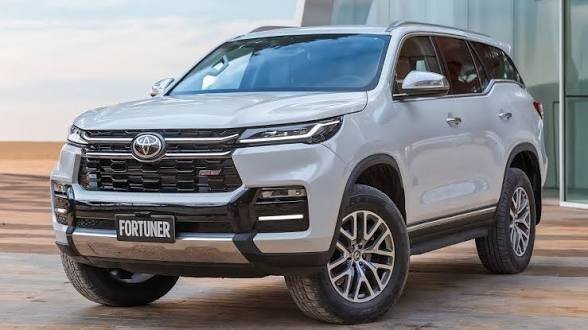
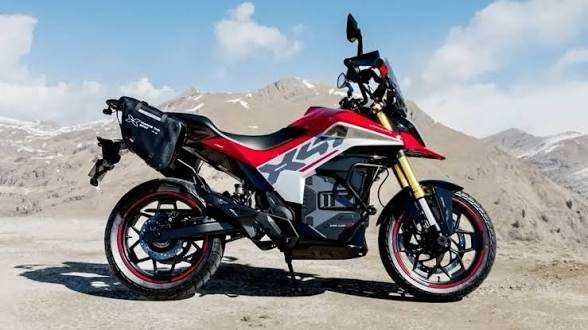
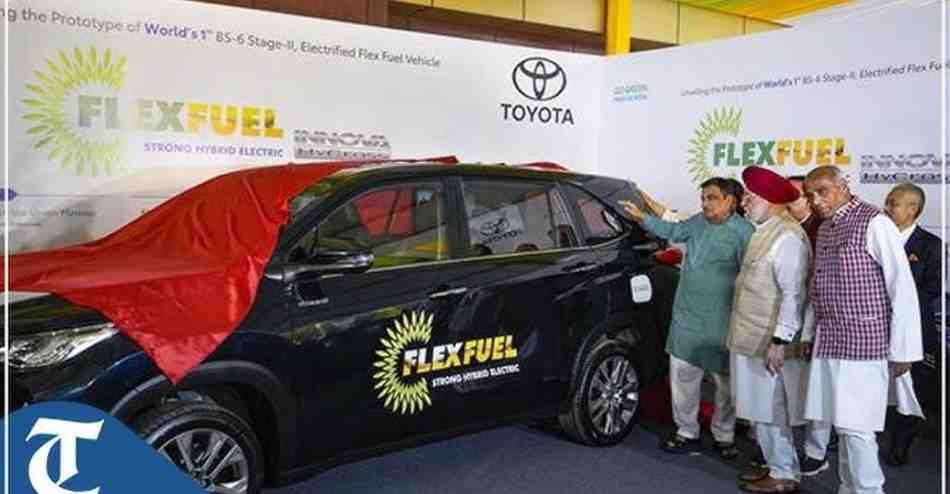
Some brands have already showcased prototype flex fuel cars and bikes. Industry experts believe that flex fuel SUVs, hatchbacks, and even two-wheelers may soon enter the Indian market.
If fuel stations begin supporting ethanol blends nationwide, flex fuel vehicles could become much more common within the next decade.
Public Reaction To The Announcement
The internet response to the Nitin Gadkari Flex Fuel Announcement has been mixed but highly active. Many people support the idea because they want lower fuel prices and cleaner cities. Others remain cautious because infrastructure is still limited.
Some automobile enthusiasts are excited about having more fuel options, while others are waiting to see how flex fuel engines perform in Indian weather and traffic conditions.
Still, one thing is clear — India’s automobile future is changing faster than ever before.
Final Thoughts
The Nitin Gadkari Flex Fuel Announcement may become one of the biggest turning points in India’s automobile industry. By promoting ethanol-based fuels and flex engines, the government is trying to reduce pollution, support farmers, and lower fuel dependency.
While challenges still exist, the push toward alternative fuel vehicles is becoming stronger every year. Flex fuel cars may not replace petrol vehicles overnight, but they could definitely become an important part of India’s future mobility system.
At PaisaDrive, we will continue bringing you the latest automobile trends, future fuel technologies, and important industry updates in a simple and easy-to-understand style. The road ahead looks exciting, and the flex fuel revolution could be just getting started.