


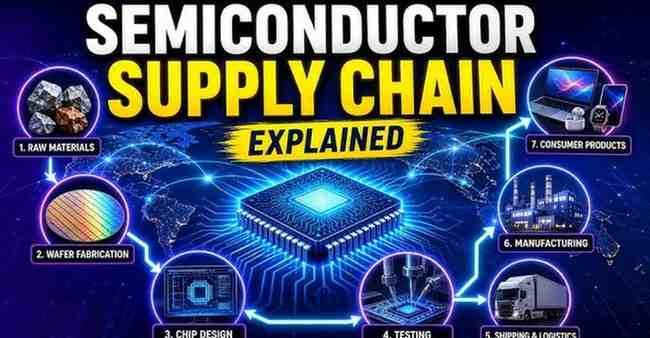
Welcome to PaisaDrive, where we simplify complex topics and bring you easy-to-understand information about technology, business, automobiles, finance, and emerging industries. In today’s article, we are exploring one of the most important technologies powering the modern world—the Semiconductor Industry. From smartphones and laptops to electric vehicles, medical devices, artificial intelligence, and space technology, semiconductors are at the heart of almost every modern innovation.
If you have ever wondered what a semiconductor is, how semiconductor chips are made, which countries dominate semiconductor manufacturing, and why India is investing heavily in this sector, this comprehensive guide will help you understand everything in simple language.
What is a Semiconductor?
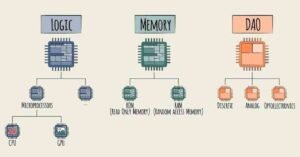
A semiconductor is a material whose electrical conductivity falls between that of a conductor and an insulator. This unique property allows semiconductor materials to control the flow of electricity, making them essential for electronic devices.
The Semiconductor Industry relies mainly on materials such as silicon, germanium, and gallium arsenide. Among these, silicon is the most widely used because it is abundant, cost-effective, and highly efficient for manufacturing electronic components.
Without semiconductors, modern electronic products would not exist. Every smartphone, computer, television, gaming console, automobile control system, and communication network depends on semiconductor technology.
Semiconductor Examples in Daily Life
The impact of the Semiconductor Industry can be seen everywhere around us. Some common semiconductor-powered products include:
- Smartphones and tablets
- Laptops and desktop computers
- Smart TVs
- Wi-Fi routers
- Electric vehicles
- Medical diagnostic equipment
- Smart home devices
- Industrial automation systems
- Artificial intelligence servers
- 5G communication infrastructure
Every time you make a phone call, browse the internet, stream a video, or use GPS navigation, semiconductor chips are working behind the scenes.
What is a Semiconductor Chip?
A semiconductor chip, often called a microchip or integrated circuit, is a tiny piece of semiconductor material that contains millions or even billions of microscopic electronic components. These chips process information, store data, and perform calculations at incredible speeds.
The rapid growth of the Semiconductor Industry has made modern chips smaller, faster, and more energy-efficient than ever before. Advanced semiconductor chips now power artificial intelligence applications, autonomous vehicles, cloud computing platforms, and next-generation communication networks.
Types of Semiconductor
The Semiconductor Industry generally classifies semiconductors into different categories based on their composition and functionality.
1. Intrinsic Semiconductor
An intrinsic semiconductor is a pure semiconductor material without any added impurities. Silicon and germanium in their pure forms are examples of intrinsic semiconductors.
2. Extrinsic Semiconductor
Extrinsic semiconductors are created by adding impurities to improve conductivity. These are further divided into:
- N-Type Semiconductor – Contains extra electrons for conduction.
- P-Type Semiconductor – Contains electron vacancies known as holes.
3. Compound Semiconductor
These semiconductors are made using multiple elements such as gallium arsenide and indium phosphide. They are commonly used in high-speed communication systems and advanced electronics.
The development of various semiconductor types continues to drive innovation throughout the Semiconductor Industry.
How Semiconductor Manufacturing Works
Semiconductor manufacturing is one of the most advanced industrial processes in the world. Building a semiconductor chip involves extreme precision and highly controlled environments.
The typical semiconductor manufacturing process includes:
- Silicon wafer production
- Photolithography
- Etching and pattern creation
- Doping and ion implantation
- Layer deposition
- Testing and inspection
- Packaging and assembly
The Semiconductor Industry invests billions of dollars in manufacturing facilities known as fabrication plants or fabs. These facilities contain highly sophisticated machinery capable of producing microscopic transistor structures.
Modern semiconductor manufacturing requires advanced technology, skilled engineers, and strict quality control standards to ensure reliability and performance.
Top Semiconductor Companies in the World
The global Semiconductor Industry is led by several major companies that design and manufacture advanced semiconductor products.
- Intel
- NVIDIA
- AMD
- Qualcomm
- Broadcom
- Texas Instruments
- Samsung Electronics
- TSMC
- Micron Technology
- SK Hynix
These semiconductor companies play a critical role in supplying chips for consumer electronics, data centers, automotive systems, industrial equipment, and artificial intelligence applications.
The continued expansion of the Semiconductor Industry has increased competition among these companies as demand for advanced chips continues to rise worldwide.
Semiconductor Taiwan: Why Taiwan Leads the Global Market
When discussing the global Semiconductor Industry, Taiwan occupies a dominant position. Taiwan is home to Taiwan Semiconductor Manufacturing Company (TSMC), the world’s largest semiconductor contract manufacturer.
Many of the world’s leading technology companies depend on Taiwanese semiconductor manufacturing facilities to produce their advanced chips. Taiwan’s expertise, manufacturing capacity, and technological leadership have made it one of the most important locations in the global semiconductor supply chain.
As demand for artificial intelligence, cloud computing, and advanced consumer electronics grows, Taiwan’s role within the Semiconductor Industry remains extremely significant.
Semiconductor India: A New Growth Opportunity

India is rapidly emerging as an important player in the global Semiconductor Industry. The Indian government has introduced multiple initiatives to encourage semiconductor manufacturing, chip design, and electronics production.
India already has a strong pool of engineering talent and a growing technology ecosystem. Several global semiconductor companies operate research and development centers in the country.
With increasing investment in manufacturing infrastructure, policy support, and international partnerships, India aims to become a major destination for semiconductor production and innovation.
The future of the Semiconductor Industry in India looks promising as domestic demand for electronics, electric vehicles, telecommunications equipment, and digital services continues to expand.
Why the Semiconductor Industry is Important
The Semiconductor Industry serves as the foundation of the digital economy. Nearly every technological advancement depends on semiconductor chips.
Key sectors benefiting from semiconductors include:
- Artificial Intelligence
- Consumer Electronics
- Automotive Technology
- Healthcare Devices
- Cloud Computing
- Telecommunications
- Defense Systems
- Industrial Automation
- Renewable Energy Solutions
As technology becomes more advanced, the demand for high-performance semiconductor chips is expected to increase significantly over the coming years.
Future of the Semiconductor Industry
The future of the Semiconductor Industry appears extremely bright. Emerging technologies such as artificial intelligence, machine learning, autonomous vehicles, quantum computing, and 6G communication networks will require more powerful and efficient semiconductor chips.
Manufacturers are investing heavily in research and development to create smaller, faster, and more energy-efficient semiconductors. New materials, advanced packaging methods, and innovative chip architectures are expected to shape the next generation of semiconductor technology.
Countries around the world are also increasing investments in semiconductor manufacturing to strengthen supply chains and reduce dependence on limited production hubs.
Conclusion
The Semiconductor Industry is one of the most important sectors driving modern technological progress. From semiconductor examples found in everyday devices to advanced semiconductor manufacturing facilities producing billions of chips each year, this industry powers the digital world.
Global leaders such as Taiwan continue to dominate semiconductor production, while countries like India are rapidly building their presence in this strategic sector. As innovation accelerates and demand for advanced technologies grows, the Semiconductor Industry will remain a key pillar of economic growth, digital transformation, and future technological breakthroughs.
Stay connected with PaisaDrive for more insightful articles covering technology, business trends, emerging industries, and innovations shaping the future.
Also Read:
Realme P4R 5G: Expected Price in India, Launch Date, Processor, Display & Antutu Score Details
iPhone 20: Apple’s Future Smartphone Could Redefine AI, Camera & Premium Technology
Google Pixel 10: Premium Design, Powerful AI Features, and Expected India Launch Details